5 Best Ways to Store Fresh Herbs and Keep Them Fresher for Longer
Herbs are used all over the world for their incredible benefits. Some use them to treat health problems, others use them in cooking to add flavor to dishes. Herbs are now also used in skin and hair care.
But when you buy herbs, is it hard to keep them fresh? Yes, they wilt and become unusable after a few days, and it is sometimes difficult to maintain freshness.
Don't worry! We've made this difficult task easier for you. In this article, we'll show you the five best ways to store fresh herbs and keep them fresher for longer.
From now on, you will always have fresh herbs on hand to add to your favorite recipes. So let's get started!
Understanding Different Types of Herbs
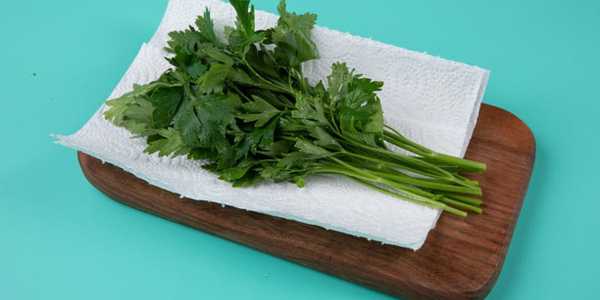
When storing herbs, you should pay attention to some general characteristics. There are two main types: Different herbs are divided into soft and hardy. All of them require different strategies to keep them innovation-friendly.
Soft and Hardy Herbs
Soft herbs have small and thin stems and thin leaves. Cilantro, parsley, mint, and dill can all be soft herbs. Botanically speaking, their stems are usually green and edible. However, sometimes the taste can be bitter. These herbs need to be handled properly because they are very fragile.
On the other hand, hardy herbs are characterized by woody stems and leaves that are sturdier than tender grasses. Spices such as rosemary, thyme, and oregano fall into this category. You can't eat their stems because they are tough, but their leaves are rich in flavor.
Why Herbs Go Bad in a Short Time
Have you ever wondered why your herbs wilt so quickly? Here are a few reasons why this happens:
With too much moisture, the texture becomes wet and squishy.
If they don't have enough moisture, they dry out.
They may turn brown if exposed to too much light or oxygen.
If the temperature is not right, they can freeze or rot.
5 Best Ways to Store Fresh Herbs
Now that we know the different types of herbs and why they go bad, let's explore the best ways to keep them fresh. These methods are easy to use and can extend the shelf life of your herbs from a few days to a few weeks.
Whether you use delicate cilantro or tangy rosemary, these tips will help you get the most out of your herbs.
1. Bouquet Method for Soft Herbs
This method works well, especially for soft herbs like cilantro, parsley, and mint. First, wash the herbs in cold water, but do not scrub or rub them hard. After washing, shake vigorously and dry with a towel or a salad spinner.
Cut them about an inch above the base of the stem. Fill a glass with 1-2 inches of water, then place the herbs in the jar like flowers, making sure no leaves touch the water.
Place clear plastic wrap over the leaves, but do not seal it tightly, to create a mini greenhouse. Store them in the refrigerator and change the water every 2-3 days.
This method can keep your soft herbs fresh for two weeks or more.
2. Paper Towel Technique for Hardy Herbs
Use a paper towel to freeze slightly harder herbs like rosemary, thyme, and sage. First, rinse the herbs in cold water, then drain and let drain for a while.
Lightly dampen the paper towel so the herb is moist but not soaking wet. Place the herb in the wet paper towel, making sure all parts of the herb are covered. Place the wrapped herbs in a sealed plastic bag or glass jar and secure the lid.
Place it in the freezer and check the paper towel from time to time to see if it is still damp. Moisturize again if necessary. Using this technique, cold-hardy herbs can last two to three weeks.
3. Freeze Herbs for Long-Term Storage
Freezing is an excellent way to preserve herbs for several months. Wash and dry cold-hardy herbs thoroughly, then place them in freezer-safe bags.
Squeeze out as much air as possible before sealing. Chop soft herbs and place them in ice cube trays. Cover them with a small amount of water or olive oil and freeze. Once frozen, place the cubes in freezer bags.
This method preserves the herbs' aroma, making them great for cooking, although their texture will change when thawed.

4. Drying Herbs
Drying is a traditional method that works for most herbs. Start by washing the herbs and patting them dry. Gather 3 to 4 stems and tie them together with kitchen twine.
Hang these bundles upside down in a cool, dark area with good air circulation. Avoid direct sunlight, as this will cause the color and flavor to fade. Let them hang for 1-2 weeks until completely dry. Once dry, store them in an airtight container.
This method will keep herbs for months and is perfect for cold-hardy varieties like oregano and thyme.
5. Special Storage for Basil
Basil requires special care to stay fresh. Start by trimming the stems like you would flowers. Place the basil in a glass with about an inch of water, like a bouquet. Unlike other herbs, you should store basil at room temperature and away from direct sunlight.
Do not refrigerate basil; the leaves will turn black in cold temperatures. Change the water every few days and trim the stems if they change color. This method will keep basil fresh for a week or more.
How Long Do Fresh Herbs Keep?
How long can you keep these aromatic herbs before they lose their magic? Let us break it down for you.
Most soft herbs, like cilantro, parsley, and dill, can last anywhere from 10 days to 2 weeks in the refrigerator if cared for properly. If you're lucky and follow the storage tips carefully, they can sometimes last up to 3 weeks!
Hardy herbs are the long-distance runners of herbs. Rosemary, thyme, and sage can generally last up to 3 weeks if stored properly. Even without special treatment, these sturdy guys can last about a week in their original packaging.
But remember, freshness isn't just a matter of time. Watch for signs that your herbs are no longer fresh. If the leaves turn black, squishy, or have a strange odor, it's time to say goodbye.
Frozen herbs are the best solution for those who want to extend their shelf life. They can last several months, giving you a hint of summer even in winter.
Dried herbs are marathon runners and can last up to 6 months if stored in airtight containers and a cool, dark place.
Conclusion
Fresh herbs can turn an ordinary meal into something special. We explored several best storage methods: the bouquet method for soft herbs, the paper towel method for hardy herbs, long-term storage in the freezer, dry storage, and special care for basil.
Remember to clean your herbs thoroughly and store them properly. A little effort can go a long way to extending their shelf life.
With these storage tips, you can save money, reduce waste, and always have fresh herbs ready for your recipes. You'll probably use herbs more often and add flavor to your dishes.
Try these methods and enjoy delicious results when cooking. Have fun storing herbs!
FAQ
Q: Can I store all my herbs the same way?
A: Tender herbs like cilantro require different care than hardy herbs like rosemary. Tender herbs grow well in water, while hardy herbs are best wrapped in a damp paper towel.
Q: How long do fresh herbs last in the refrigerator?
A: If stored properly, most herbs will last 1-3 weeks in the refrigerator. Tender herbs generally stay fresh for 1-2 weeks, while hardy herbs can stay fresh for up to 3 weeks.
Q: Is freezing or drying better for long-term storage of herbs?
A: Both methods work well. Freezing preserves flavor better when cooking, while drying is great for herbs used in spice blends or teas.