5 Reasons Why Brownies Turn Out Dry (and How to Fix Them)
Brownies are popular everywhere. People love to bake them because the ingredients are so simple. But sometimes they turn out dry and don't taste good.
But that doesn't mean it's your fault. Baking is all about science. There are a lot of factors you need to consider when baking so that the result will meet your needs.
These factors include a good recipe, the oven temperature, the ingredient ratio, etc. You get frustrated when you try to do something, but the result doesn't match your plan.
But don't worry! We'll discuss why your brownies turn out dry and why. You'll get all the knowledge you need to bake perfect brownies.
So, let's get started!
5 Reasons Why Brownies Turn Out Dry and How to Fix Them
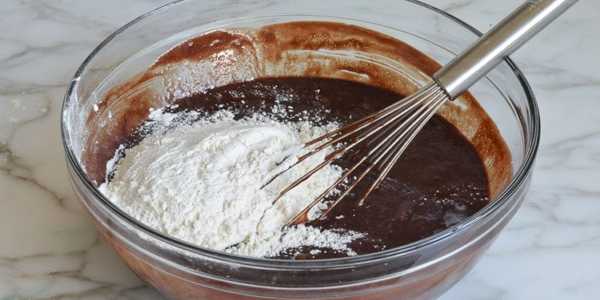
Let's tackle the most common problems that lead to dryness. You'll better avoid these culprits by identifying them during your next baking session.
Here are the five most common reasons why brownies turn out dry and practical solutions for each of them:
1. Overbaking
Overbaking is the most common reason for dry brownies. If brownies stay in the oven too long, moisture will escape, and they will have a dry, crumbly texture instead of a moist treat.
Solution: Check the brownies 5 minutes before the recipe's recommended baking time. Look for firm edges and a slightly wobbly center.
A toothpick inserted into the center should come out with a few moist crumbs but not completely clean. Remember that brownies will continue to set as they cool.
2. Incorrect Oven Temperature
Oven temperature can be unreliable. If your oven runs hotter than the set temperature, it can result in overbaking and dry brownies.
Solution: Buy an oven thermometer to ensure accuracy. Place it in different places to look for hot spots. Adjust the baking temperature or time based on the actual oven temperature.
A slightly lower temperature (around 325°F instead of 350°F) helps moisten the brownies.
3. Too Much Flour
Excess flour absorbs too much moisture, resulting in a dry, cakey texture instead of a rich, paste-like texture. If you don't measure correctly, you can accidentally use too much flour.
Solution: Measure flour using the spoon-level method. Gently scoop the flour into the measuring cup and level it with a ruler.
Avoid scooping directly with the measuring cup, which can hold up to 25% of the flour. Use a kitchen scale for super-precise measurements.
4. Lack of Fat
Fat is essential for moist brownies. Butter and oil create the rich, fudgy texture we all love. Too little fat results in a dry and less satisfying mouthfeel.
Solution: Follow the fat instructions in your recipe carefully. When substituting ingredients, keep the correct fat content.
For extra richness, use melted butter instead of oil. Some bakers swear by adding extra egg yolks to increase moisture and richness.
5. Overmixing the Dough
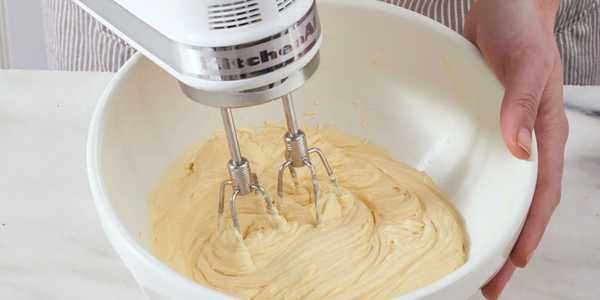
While it may seem counterintuitive, overmixing brownie batter can lead to dryness. Overmixing introduces too much air, producing a drier, more cakey texture.
Solution: Mix the dough until the ingredients are thoroughly combined. A few small lumps are fine. When adding dry ingredients, stir gently with a spatula instead of using an electric mixer.
This gentle method prevents too much air from mixing in, maintaining a dense, fudgy texture.
Enjoy Perfectly Fudgy Brownies Every Time
Once you've mastered these tips, use them. Never be disappointed by dry, bland brownies again; experience the moist, flavorful brownies you've always wanted.
Take more time in baking, stick to the ingredient quantities, and avoid mixing for too long. You'll get a feel for what perfect brownies look like.
Why wait? The next batch of brownies you make could be your best yet. Imagine the bliss of a soft and rich piece of chocolate. That satisfaction is within reach.
Fire up your oven, gather your ingredients, and get ready to surprise yourself and possibly others with your newfound brownie knowledge. Have fun baking!
FAQ
Q: How do I keep my brownies from overbaking?
A: Start checking your brownies 5 minutes before the time specified in the recipe. Look for firm edges and a slightly wonky center. A toothpick should come out with a few moist crumbs, not completely clean.
Q: What's the best way to measure flour for brownies?
A: Use the spoon level method. Gently pour the flour into the measuring cup, then level it with a ruler. Do not scoop directly from the cup, as this may contain too much flour.
Q: Can oil be used instead of butter in brownies?
A: Yes, oil will make brownies soggy. However, butter can add flavor. If using a substitute, use about 20% less oil than the butter called for in the recipe. For best results, follow the recipe closely.
Q: Why do my brownies look cakey?
A: Brownies can become lumpy if the batter is mixed too long or too much flour. Mix the ingredients until well combined, measuring the flour carefully. Also, be careful not to use too much leavening agent.