5 Reasons Why Your Smoothie Is Runny and How to Change It
Have you ever made a smoothie that tastes more like fruit water? It's frustrating, isn't it? Many of us face a common problem when trying to make simple, healthy drinks.
A thick smoothie can ruin your morning or post-workout snack. But don't worry – this article has a solution to fix this problem.
This article explains why your smoothies are runny and how to thicken them into a creamy, delicious drink.
Here are the five main reasons for thin smoothies and how to fix them in the simplest way possible. Get ready to transform your liquid smoothies into smooth ones.
The Importance of Smoothie Consistency
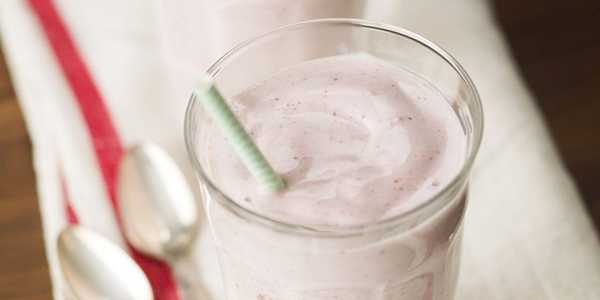
You also need to get your smoothie's thickness right, not just for aesthetic reasons. It plays a big role in both taste and nutritional value. In other words, a good smoothie should be thick, not diluted, to the point of being watery.
This consistency leaves you feeling full and substantial.
A thick smoothie isn't as tasty as a thin smoothie.
If your smoothie is too runny, you may not be able to finish it and lose out on nutrients your body needs for good health.
The thicker consistency of a smoothie also takes more time to pass through the body's digestive system. This means that the vitamins and minerals are available longer for the body, allowing maximum absorption.
Thickness also affects how satisfying it feels when drinking a smoothie. The shape makes healthy foods more appealing because they feel like a creamy dessert.
In addition, if a smoothie is thicker, it retains temperature and stays colder for longer.
Good consistency allows for a better presentation of the food's different flavors. Requirements include ensuring that each bite tastes balanced when the ingredients are well blended.
This also makes smoothies enjoyable and ensures that you get all the nutrients you need from them.
Common Smoothie Ingredients and Their Benefits
A smoothie can be a disaster or a huge success, depending on what you put in your blender. Let's look at how common ingredients can affect your mix:
Fruit: The champion of smoothies is frozen fruit. It thickens everything and brings out the natural sweetness without diluting it. Bananas, mangoes, and peaches should give a creamy feel to food.
Leafy Greens: If consumed in large quantities, a smoothie can taste more like a liquid salad, if that's good for your health. It is recommended that you use them occasionally for the best results.
Liquids: Liquids that dilute the mixture include milk, juice, or water. However, only add a little bit, as it will change the texture and taste of the cake. Kefir or yoghurt can add a sour flavour without adding too much water.
Avoid large amounts of ice as it dilutes the juice and makes the smoothie watery and liquidy. Avoiding or using only a small amount is best, or you can opt for frozen fruit.
Thickeners: Substances such as nut butter, oats, or Greek yoghurt can add a creamy taste to recipes. They can also increase the nutritional value of foods and help people stay fuller longer.
Flavor enhancers: Spices, extracts, or a small amount of salt can enhance flavor without affecting the texture of the food. You can use them to adjust the smoothie's taste to your desired sweetness or sourness.
Understanding how these ingredients work together will help you get the perfect smoothie consistency every time.
5 Reasons Why Your Smoothie Is Thin and Their Solutions
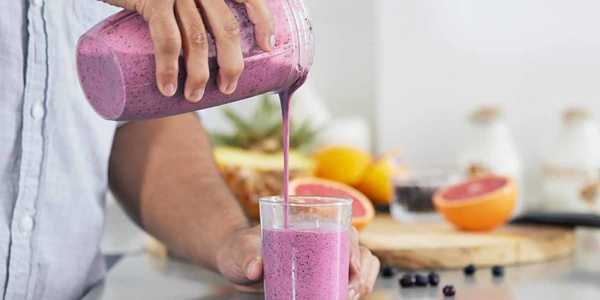
Ready to up your smoothie game? Let's tackle the most common problems that cause thin smoothies. Here are five major reasons why your blend needs fixing, as well as simple solutions for getting that perfectly creamy texture.
Follow these tips, and you'll be making restaurant-quality smoothies in no time.
1. Using Too Much Ice Cubes
Ice cubes may seem like the perfect solution to both making a smoothie cold and thick at the same time, but you'll end up with a watery drink. When the ice starts to melt, it discolors the beautiful blend you prepared, and you'll end up with a bland drink.
Solution: Use frozen fruit instead of regular ice cream. This cools the ingredients, naturally sweetens them, and thickens the smoothie. Frozen bananas are particularly ideal, especially if you want a dish with a creamy consistency.
If you add ice cubes, add them only after the other ingredients have been combined and blended briefly.
2. Not Enough Frozen Fruit
Fresh fruit is delicious but can give your smoothie a watery consistency. Your smoothie may not have the thick, icy consistency you love without frozen ingredients.
Solution: Frozen fruit should be your smoothie's best friend. Stores should also have frozen fruits like berries, mangoes, and pineapples. Not only do these make smoothies thick, but they're also incredibly delicious.
Pro Tip: Use ripe, peeled, and frozen bananas for smoothies, as they blend perfectly in almost every recipe.
3. Incorrect Blending Order
Adding ingredients in the wrong order will only lead to blending problems. This often results in large chunks of unblended fruit floating in a pool of liquid, which is not very pretty.
Solution: They try to layer the ingredients to enhance each other's properties. The liquid should reach the bottom of the blades first. This helps create a vortex for better blending.
Then, if you're using leafy greens, you can blend them. Next comes the softer fruits and frozen fruits or ice cream. This order helps ensure that the ingredients are well-blended and consistent every time.
4. Missing Thickeners
Without ingredients to give your smoothie body, you may have a thin, juice-like consistency instead of a rich, creamy drink.
Solution: Add natural thickeners to your recipe. Greek yoghurt, nut butter, oats, chia seeds, or avocado are all good choices.
They improve consistency and add nutritional value. Start with a small amount and adjust as needed; a little goes a long way.
5. Overdoing the Liquid Ingredient
It's easy to overdo liquid, especially when you're worried about your blender getting stuck. Too much juice, milk, or water can quickly turn a smoothie into soup.
The solution: Start with less liquid than you think you'll need. You can always add more if the mixture is too thick. Use thicker liquids like kefir or coconut milk instead of water or juice. These can add creaminess without watering down your smoothie.
Remember that many fruits release liquid when blended, so consider that when adding extra liquid.
Master the Perfect Smoothie Consistency
Fix your watery smoothie with these tips. Remember, creating the ideal combination is a mix of science and art. Experiment with ratios of frozen fruit and thickeners to find the perfect consistency.
Pay attention to the order in your blend, and don't be afraid to use flavour enhancers like cinnamon or vanilla. If you're still having trouble, try freezing your smoothie bases in ice cube trays so they thicken quickly.
Most importantly, trust your taste buds. The best smoothie is the one you enjoy drinking. Keep practicing, and soon you'll blend like a pro and make delicious smoothies with perfect consistency every time. Have fun blending!
FAQ
Q: Can I make a thick smoothie without frozen fruit?
A: Yes. Use a thickener like Greek yoghurt, nut butter, or oats. Chill the ingredients ahead of time and use less liquid. Blend well and add ice at the end if needed.
Q: How can I improve a smoothie that's already too thin?
A: Add more frozen fruit, a scoop of protein powder, or a scoop of nut butter. Blend again. If it's still too thin, lightly freeze it and blend again.
Q: What liquid is best for smoothies?
A: Use milk (dairy or non-dairy) for a creamy taste or coconut water for a light option. Avoid using too much water or juice, as this will thin the smoothie.