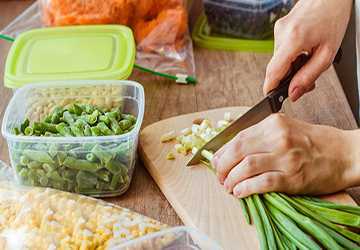
6 Effective Tips to Reduce Food Wastage in Your Kitchen
Every time we discard food, not only are we throwing away valuable resources, but we're also contributing to the more significant problem of environmental degradation.
But you can make a significant difference with just a few simple changes in your daily habits. Ready to reduce your food wastage?
In this blog post, you'll learn 6 Effective Tips to Reduce Food Wastage in Your Kitchen.
By applying these tips, you're sure to save food and waste your money going to the dustbin.
So keep reading to explore how you can do this!
6 Proven Tips to Reduce Your Food Wastage
Now that you're all set to reduce food waste let's break down these six tips one by one. Keep reading to discover how each tip can make a meaningful difference in your kitchen and wallet.
Tip 1: Plan Your Meals Wisely
When reducing food wastage, the first step is to plan your meals thoughtfully. By doing so, you'll not only save money but also minimize your environmental footprint. Here's how:
Create a Weekly Meal Plan: Take a few minutes each week to plan your meals and snacks. This will help you buy only what you need at the grocery store.
Make a Shopping List: Before heading to the store, make a detailed shopping list based on your meal plan.
Buy in Smaller Quantities: If you use certain ingredients sparingly, consider purchasing them in smaller quantities to prevent them from going bad before you can use them.
Use Leftovers: Get creative with leftovers. Repurpose them into new dishes or freeze them for future meals.
By planning your meals wisely, you'll reduce food wastage and simplify your grocery shopping and meal preparation, making your life easier and more economical.
Tip 2: Store Food Properly
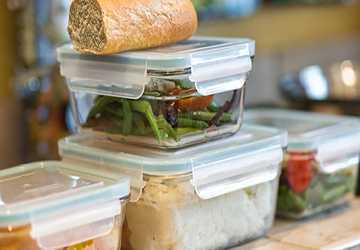
Proper food storage is your second line of defense against food wastage. Follow these tips to make the most of your groceries and minimize waste:
Use Airtight Containers: Invest in airtight containers for storing leftovers, grains, and other perishables. They keep food fresh for longer.
Label and Date: Label containers with the contents and date to help you track what needs to be used first.
Fridge Organization: Keep your fridge organized, with older items at the front and newer ones at the back.
Use the Freezer: If you can't use ingredients in time, freeze them. This preserves their freshness until you're ready to cook.
Proper storage not only extends the life of your food but also prevents unpleasant surprises like spoiled ingredients. It's a simple habit that can save you money and reduce waste.
Tip 3: Embrace First-In, First-Out (FIFO)
The FIFO method is of great help for minimizing food waste. Here's how it works:
Rotate Pantry Items: When unpacking groceries, move older items to the front of your pantry or fridge. This ensures you use them before newer purchases.
Label Homemade Items: If you prepare homemade sauces, jams, or pickles, label them with the date. Consume older batches first.
Check Expiry Dates: Regularly check expiration dates and use items nearing expiry to avoid waste.
Adopting FIFO will naturally reduce food wastage by consistently using items closer to expiration dates.
Tip 4: Right-Sized Portions
Portion control is vital in preventing food wastage and overeating. Here's how you can achieve it:
Use Smaller Plates: Opt for smaller plates and bowls. They visually trick your brain into thinking you have a full plate, reducing the likelihood of over-serving.
Serve Small Portions: Start with smaller portions and go for seconds if needed. This reduces the chances of leftover food on your plate.
Ask for Half Portions: When dining out, don't hesitate to ask for half portions or share a dish with a friend if the portions are generous.
Learn to Freeze: If you regularly cook more than you can eat, get in the habit of freezing portion-sized leftovers for future meals.
Practicing portion control helps reduce food wastage and promotes healthier eating habits.

Tip 5: Creative Cooking and Leftovers
Getting creative with cooking and leftovers is a fun and resourceful way to minimize food waste:
Repurpose Leftovers: Turn yesterday's dinner into today's lunch by transforming leftovers into new dishes or salads.
Use Scraps: Utilize vegetable scraps, like carrot tops and celery leaves, to make flavorful stocks or garnishes.
Stale Bread Solutions: Stale bread can become croutons, breadcrumbs, or a savory bread pudding base.
Compost and Regrow: Compost food scraps and consider regrowing certain vegetables from kitchen scraps.
Creative cooking not only saves food but also adds variety to your meals and
sparks your culinary creativity.
Tip 6: Mindful Shopping
Your shopping habits play a crucial role in reducing food wastage. Here's how to shop mindfully:
Stick to Your List: When you shop, stick to your pre-made list to avoid buying unnecessary items.
Buy in Bulk Wisely: Purchase non-perishable items in bulk when it makes sense, but be mindful of perishables that may go to waste.
Avoid Impulse Buys: Steer clear of impulse buys at the checkout counter. They often end up unused.
Shop More Often: To reduce spoilage, consider shopping more frequently for fresh produce and perishables.
You are being mindful while shopping helps you bring home only what you need, reducing food wastage and saving you money.
Conclusion: Taking Action Against Food Wastage
In a world grappling with numerous challenges, one issue that we can address right in our kitchens is food wastage.
By implementing the 6 Effective Tips to Reduce Food Wastage in Your Kitchen, you can make a substantial difference—both in your life and the broader context of our planet.
Let's all start the journey of reducing food wastage by making a conscious effort to waste less and share more.